30 Years a Book Author

Any successful author can tell you where they were when they landed their first book contract.

I can tell you that too.

In the summer of 1995, I made the break to go out on my own as a graphics freelancer. I’d had a variety of jobs in the printing industry and had an offer from one of the graphic designers I’d worked with to rent a cube from him in his office in Northwest Portland’s industrial district (before its transformation into what is now called The Pearl District). He had a full-time assistant, another very part-time renter who put together a cruise guide magazine, and a shop downstairs that refinished bathtubs with some incredibly volatile chemicals. In addition to doing freelance work for him, a friend who was also recently on his own as a designer with some major clients took a back office (nearer the door to the downstairs refiinishing fumes) for his space, and I was doing work for him. I’d lucked into a position at Portland State University teaching the multimedia development tool Macromedia Director despite having shipped no actual projects myself. When a story of mine ran in Step-by-Step Graphics, I’d takern out an ad to produce portfolios for designers on diskettes or CD-ROMs, but it didn’t get any takers.

On New Year’s Eve, 1995, I was in the office late. This was in the early days of the public internet and World Wide Web (so long ago it was still capitalized). When we moved into the office, I installed a dedicated dial-up line to run my Mac-based Web server. Macromedia Shockwave, a then-umbrella term for internet delivery of a variety of media and interactivity was in beta testing. I’d been following it since the announcement at that summer’s UCON (Macromedia User Conference) in San Francisco, but didn’t at that point have any way to actually see the content, because—as someone working in graphics production—all of my computer equipment was Mac-based, and while you could create Shockwave content from Director on the Mac, you couldn’t view it there because the browser plugin was only available on Windows, so far.

I’m not sure why, but the discussion group for people following the beta at the time wasn’t an email list server (listserv, for you kids, aw, who am I kidding, nobody young enough to not know what a list server is is going to read this), it was a web page with a response form, with each new response added to the end of the page content after submission, meaning you had to reload the page—at 1995 internet speeds—to see new messages that had been submitted since you first got there.

Sometime that evening, I ran across a message that was different from people asking when the Mac browser plugin would be released, or technical questions about what you could do with Director’s interactive capabilities within the browser. It was a query from someone who said they were a computer book literary agent, looking for an author to do a book on Shockwave.

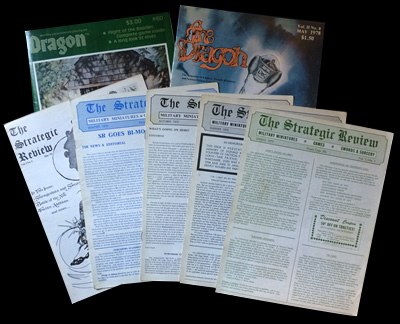
At that point, I had exactly two professional writing credits to my name. I’d written a less-than-a-page-length satire for the Dungeons & Dragons magazine The Dragon back when I was 16 years old, and the afore-mentioned graphics article. I’d never even attempted a book-length project, in fact, I had several concepts for books that had been sitting in my head for a dozen years by then that had gone nowhere (they’re still in my head another 30 years on). But I responded to the message.

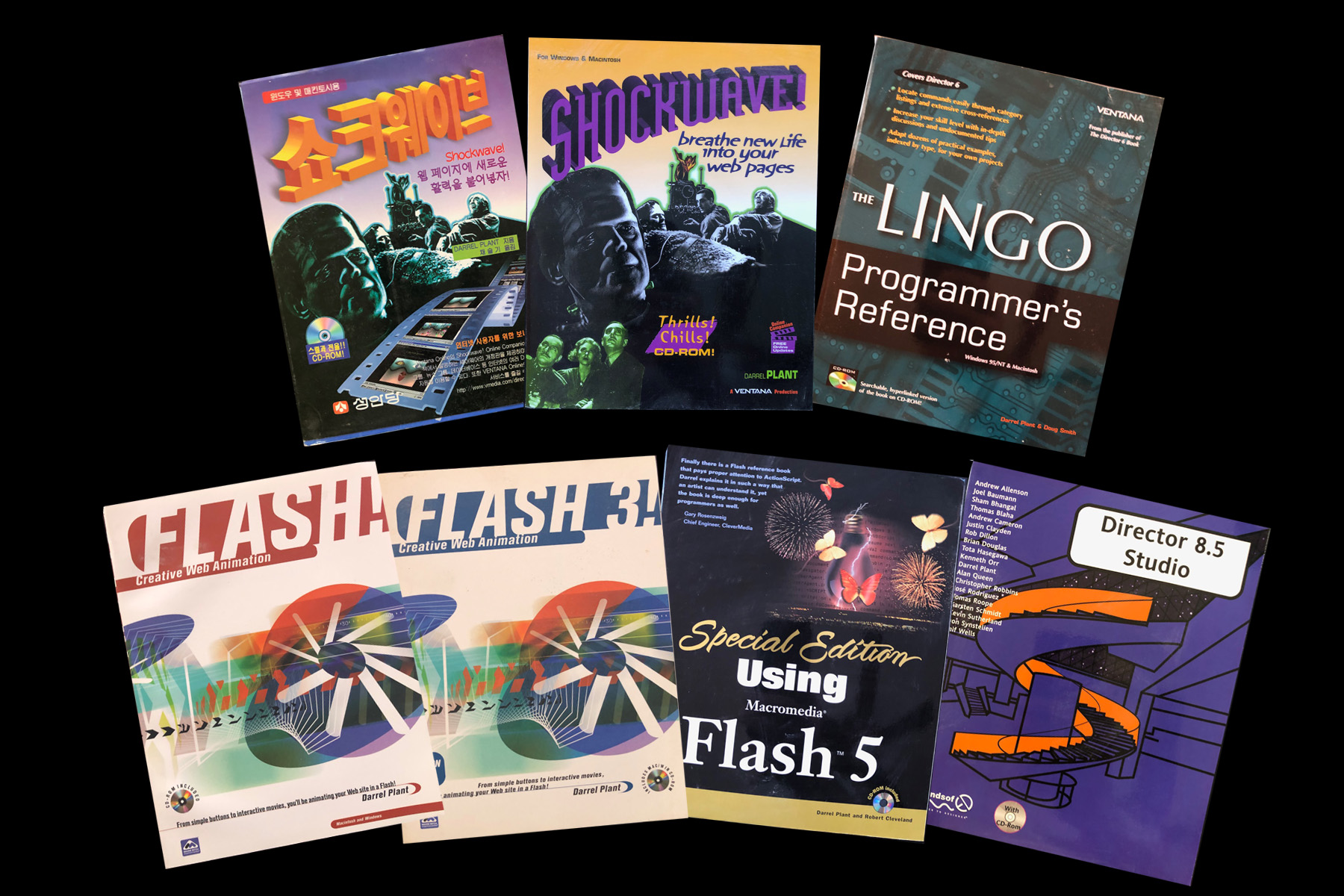
They must have been desperate, because by January 17th, I had a contract to write a book on Shockwave with Ventana Communications Group, a sort of third-tier computer publishing house. Ten weeks and $15,000 to write 300 pages on a new, unreleased software tool, with an extra $5,000 if I could do it in eight weeks.

I bought an Acer desktop for my cubicle so I could play back the work I was creating on my Macs and started working through every single new command and function in the Lingo programming language documentation that was being added, trying to figure out not only what they did in some cases but what they could be used for. It’s not always obvious. The translation from software engineer to in-house documentation writer—especially in those betw test days—isn’t always clear about the former and usually never mentions the latter.

This was a black box project. Nobody at Macromedia knew me from Adam at the time. I’d never done anything of note. I’m not one of those combo artist/programmers, so my examples were never going to catch someone’s eye. I veer between occasionally loving attention and mostly flowering the walls, so I didn’t even think to ask questions of the development team. What I learned was largely from trial and error, banging on the tool until I could make it clang.

The book was done in less than ten weeks. I didn’t make it in eight. It wasn’t until it was mostly done that I suspected that Ventana had needed someone to finish a book on the roster because some other authors had dropped out or been moved to a hotter project. No, I had nothing to do with the cover (there’s a greenish Italian version around somewhere; I personally prefer the Korean cover’s colors). Back matter and the CD-ROM were produced by folks associated with Ventana; I didn’t see it until the first proofs. But my book was done.

It wasn’t a big seller, though. Plans for a follow-up fell through and my agent came back to me with an idea. Apparently, someone had liked one of the appendices I’d created, which was a structured dictionary of the network Lingo terms (NetLingo), which featured expanded usage examples of each term. Could I expand that for the entire Lingo language?

Sure, I could do that. Just give me forever and an infinite barrel of monkeys. It should have been a hard “No”, but I signed the contract and that book became the Lingo Programmer’s Reference. I got less money, it took longer (something like 700 key words in Lingo at the time), and I had to pay Doug Smith to cover for me for two weeks I took off to go to London for the first time. Then, just before the book was due to be released, Ventana announced they were being purchased, and while a number of people over the years have told me they really liked the book, I think they were all the people who bought it.

‘My’ agent came to me in early 1997, shortly after Macromedia had bought FutureSplash Animator and released version 2 as Flash. Did I want to do a quick turnaround book on Flash? He wasn’t technically representing me at that point, he was also working for Macromedia Press, but after the flop of LPR, I signed on to do what was the first official Macromedia book on Flash. That went so well that they did not hire me to update it for Flash 3, but my name’s still on the cover, so I guess it counts as my book.

It was about this point I started serving as a co-Technical Editor for a Director user’s magazine, vetting and writing articles, then working as editor for the Director Online User Group (archived by Valentin Schmidt at Das Deck) for several years, producing, editing, and writing material on Director and Flash.

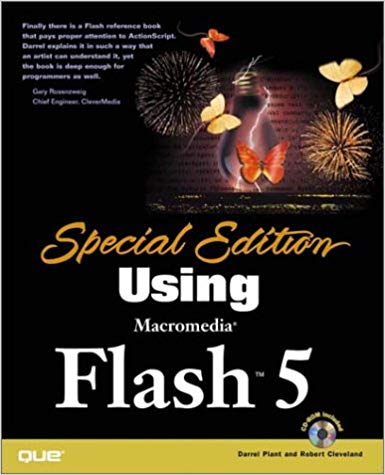
Unlike a first book, I have no memory of how, Special Edition Using Macromedia Flash 5 came to me. Que hired Robert Cleveland for the graphics half of the book, I did the programming end, which was a little more complex than the earlier Flash scripting but still pre-ActionScripting. 25 years later, Pearson sends quarterly royalty statements letting me know there’s about $600 left to pay back on the advance. I made them send them by mail for as long as I could, out of spite.

Finally, the folks at friends of ED got hold of me to contribute to a sort of last gasp Director book, coming kind of at the end of the golden age of computer books and the end of Director: Director 8.5 Studio. I was one of 19 authors listed on the cover but I did three of the 18 chapters and about 100 of the 800 pages; I think I threw a little bit of a hissy fit when I got my check after seeing the completed book.

And that’s all I wrote.
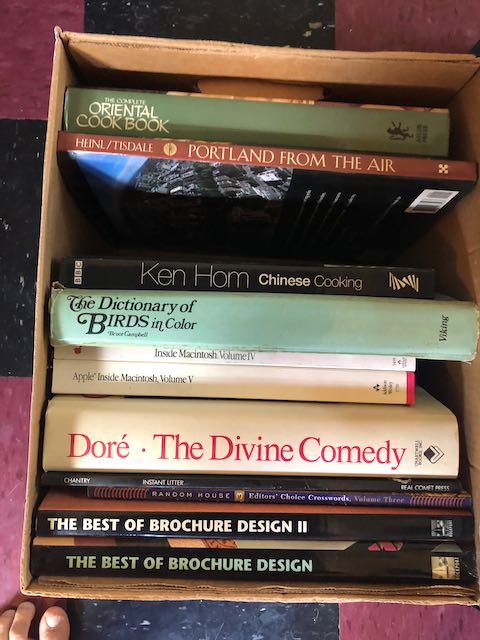
Giveaway Books 01

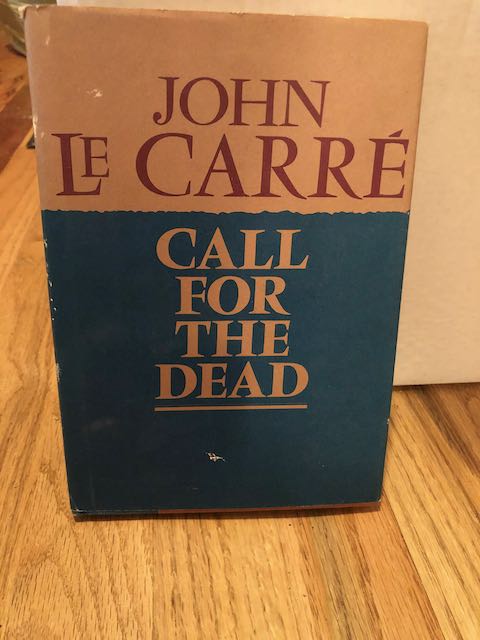
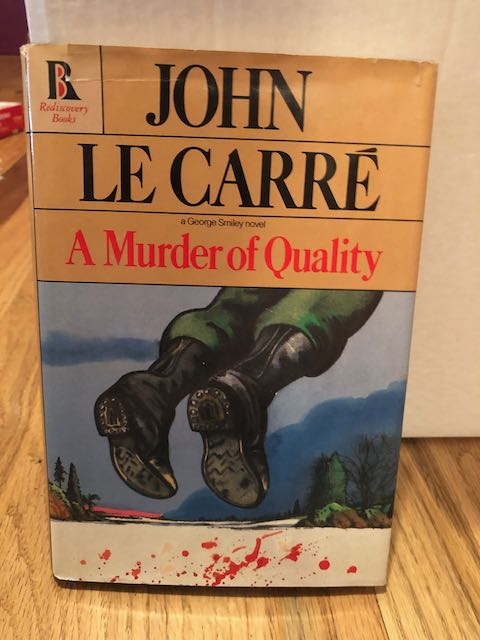
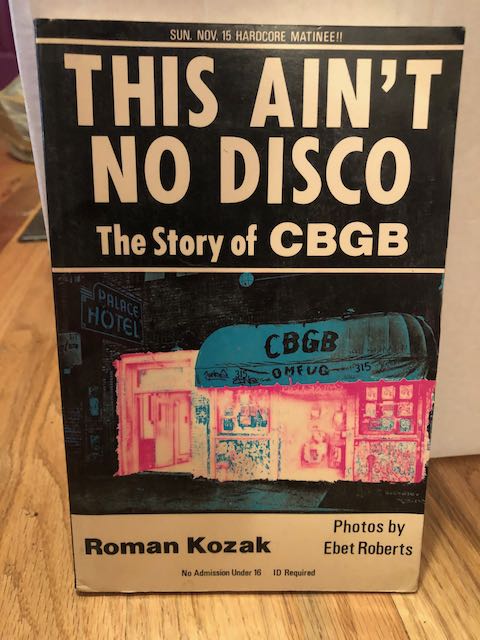
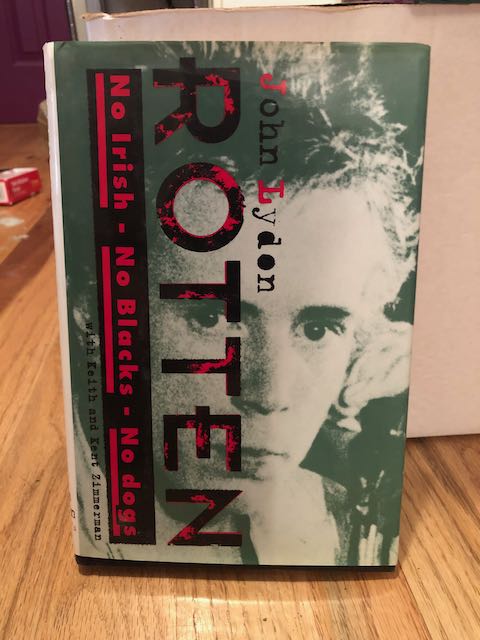
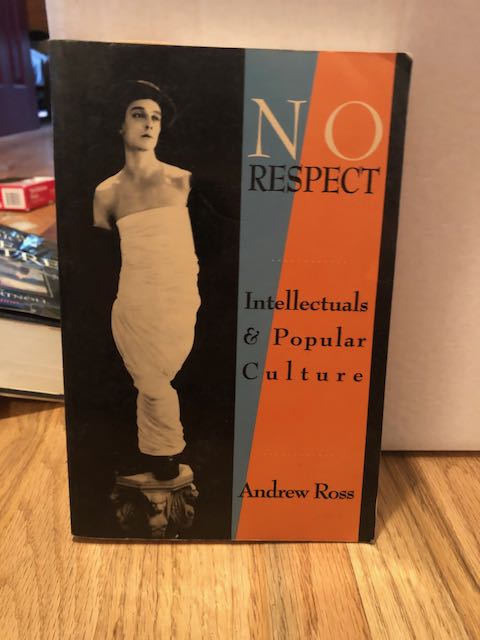
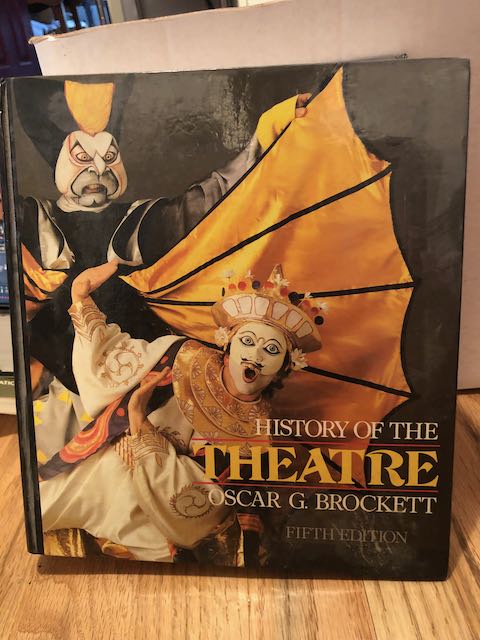
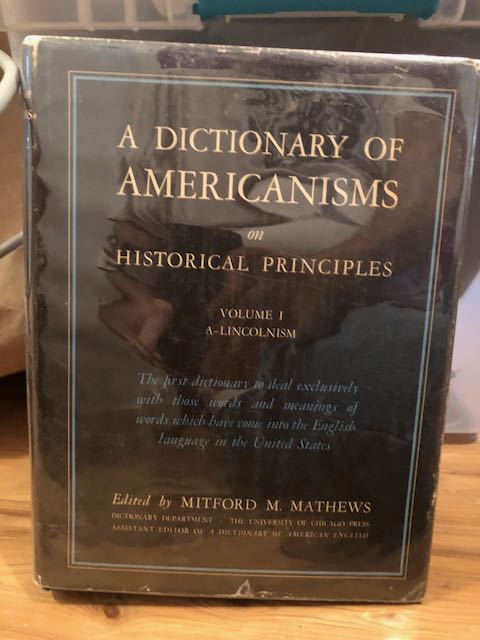
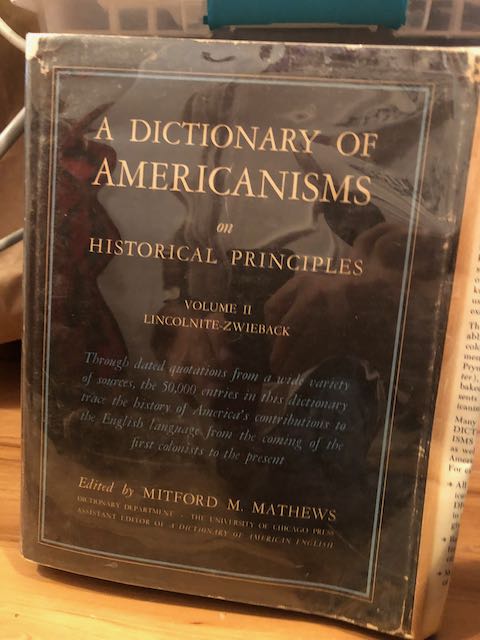
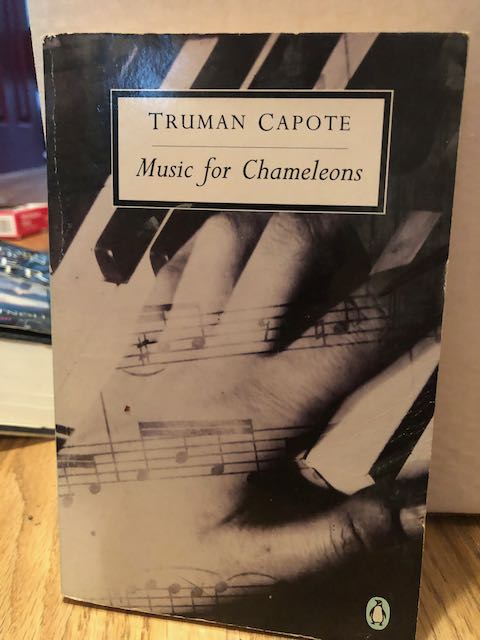
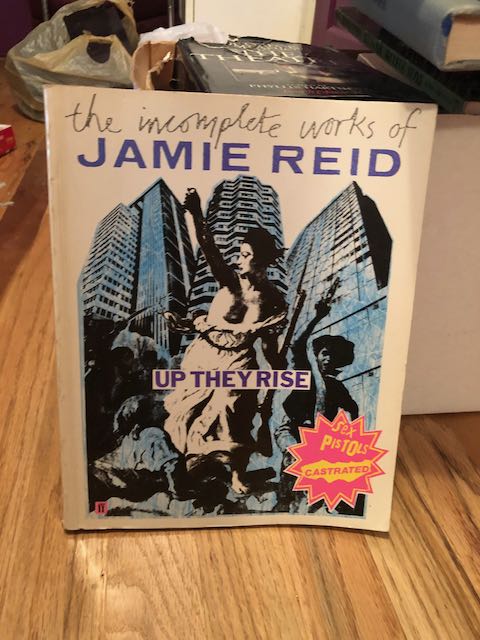
Much as it goes against my very nature, I’m going through my collection of books (along with Barbara) and getting rid of stuff that’s basically been sitting in boxes for literally decades in some cases. We don’t really have that much available wall space available for bookshelves, and anything that doesn’t fit is getting the axe.

In the old days, I’d have at least considered selling them, but the main outlet for that now is giving store credit, and as I’ve established, I don’t need more books, so look for this first batch in Portland-area Goodwill outlets.

D&D50

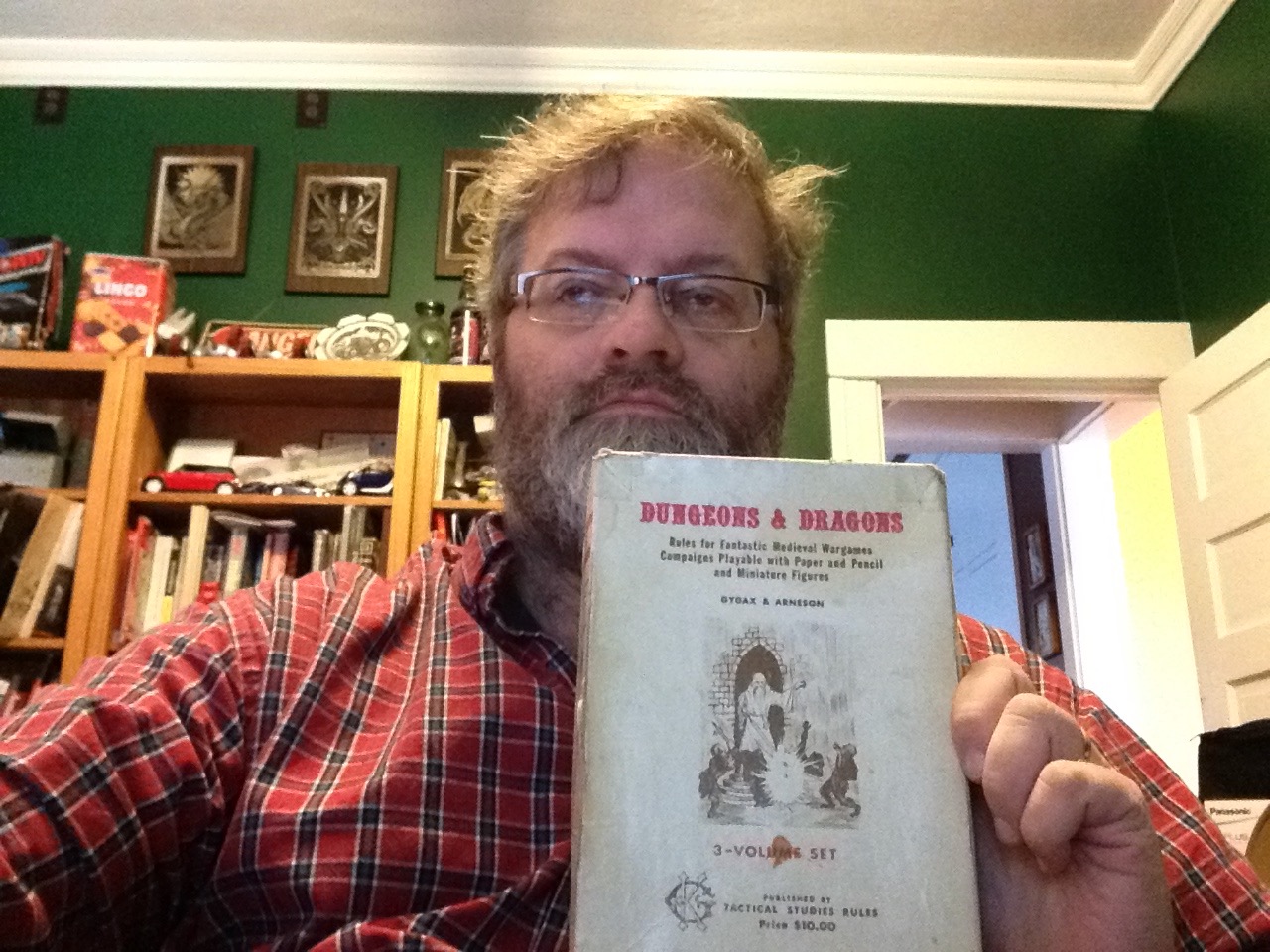
So today (or maybe yesterday) is the 50th anniversary of the release of Dungeons & Dragons, which I got into just about a year-and-a-half later after having heard about it at Gandalf’s Den Fantasy Gallery on the mall in central Eugene, where I would hang out after my freshman year at high school between buses.

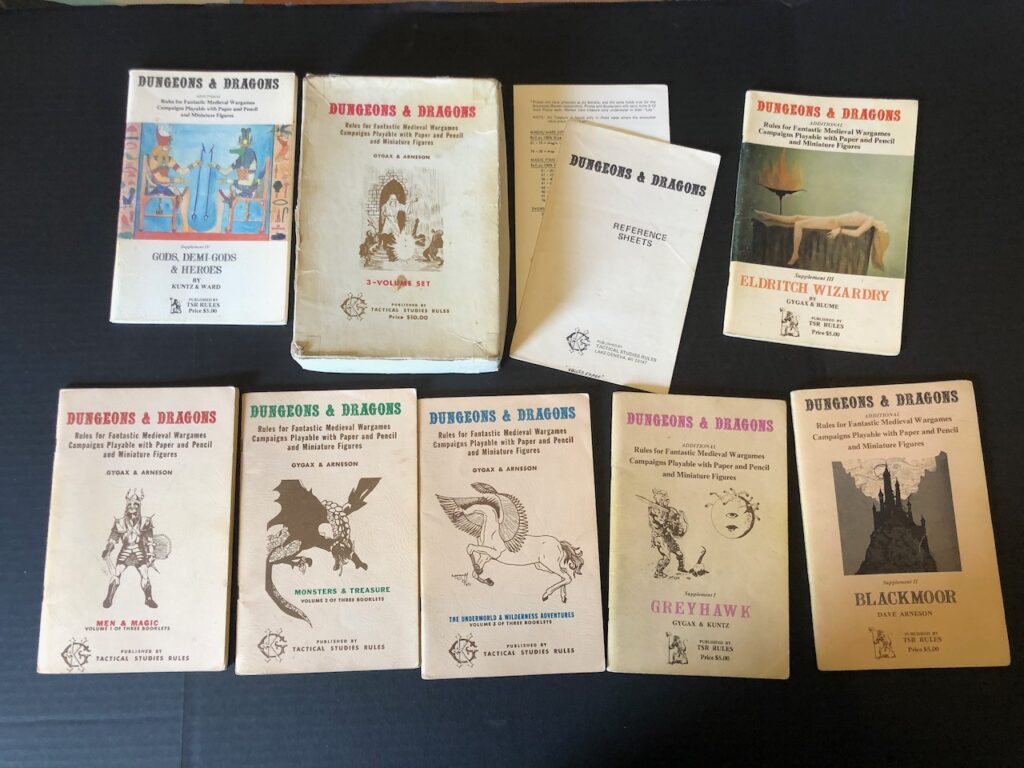
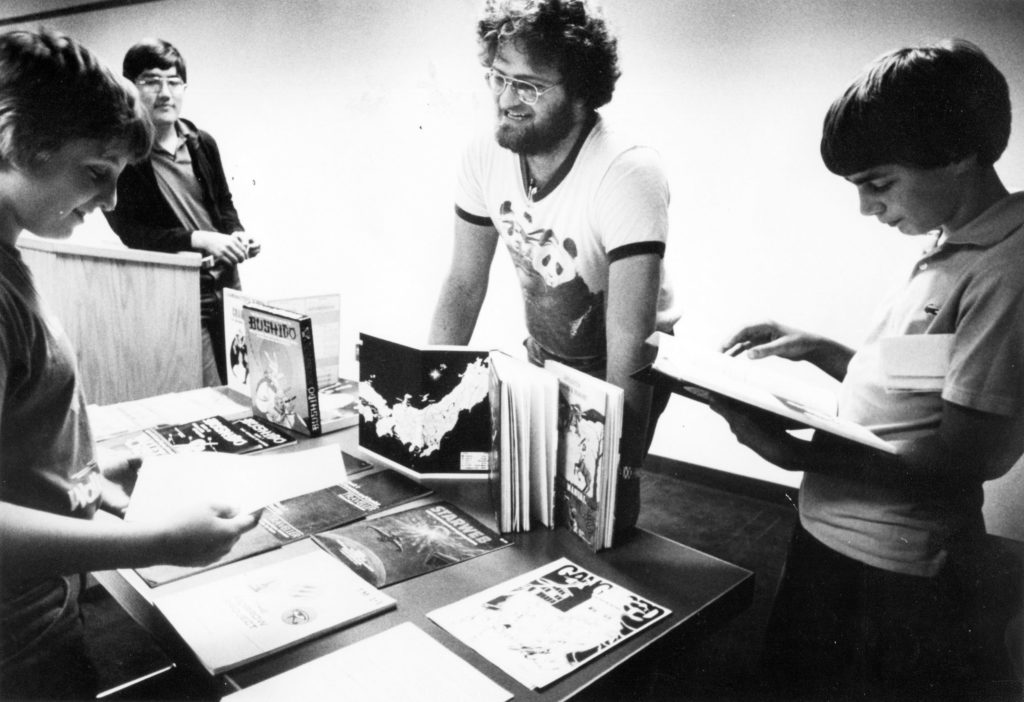
I was obsessed with creating my D&D settings. Jon Pitchford and I had gone in halfsies on the D&D box (it was $10!) and we played as much as we could given we lived in different parts of town, with my part of town kind of way out of town. When Jon transferred to another high school, he found a crop of players (another Jon, Dave & Allison, and Tom) who ended up being our core for RPGs ranging from D&D to TRAVELLER, Gamma World, Bushido, Champions, and beyond, for about seven years, as the attraction of the armed services to kids without much money ate into our numbers.

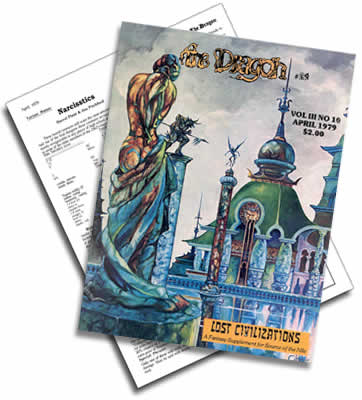
I wrote what I thought at the time was a scathing satire about high school cliques my senior year, casting Jocks and Groupies as a monster class called Narcisstics, and sent it off to The Dragon magazine with both my name and Pitchford’s on it because it had grown out of a discussion we’d had. Something like 6 months later, it showed up in issue #24 and I ran over to Jon’s quad room at the University of Oregon. We hadn’t gotten any notice that ot had been accepted, and after a few weeks went by, I sent a message off asking if we were going to get paid; eventually we got a check for $9, which I split with Jon. That could buy us four-and-a-half copies of the magazine.

The spring of my senior year, Gandalf’s hired me to work in the book and game shop. It was a small shop, with usually just one staff member working at a time. For a lot of it, I was the only employee, with the other hours covered by Michael, the owner, and his wife, Lee. In addition to the retail side, Michael had early on made regional distribution deals with TSR, Game Designers’ Workshop, Flying Buffalo, and a variety of game-related companies that produced dice and miniatures, so I worked in their thriving wholesale operation in the basement, boxing up orders to be shipped all over the Northwest. I saw a lot of games, and I spent a lot of my meagre income on books and games.

I’ve written at length about my experience with Christian fundamentalists threatening to picket a talk I was asked to give at the Springfield Public Library here and here, so I’m not going to elaborate.
After most of the gang left town, eventually I did so myself, going back to college. I played games with a couple of guys I met there—though no RPGs—and when they left town, I sort of went down a freelance developer rabbit hole that didn’t lead me to meeting any more, so most of my games have been languishing in boxes for 40 years (it helps to not move for over 30 years), including my D&D stuff. On the other hand, they’re reasonably well-preserved! I did get a chance to play some D&D with one of my nephews a couple of years ago, as he tried his hand at DMing.
Almost forgot! I did (poorly) a little presentation for a live event here in Portland. The recorded version is a lot better.

Everybody’s showing their D&D books. These are my oldest ones.

EUCON: The Science Fiction and Fantasy Convention Nobody Expected

May 13th, 1983 was a Friday. Friday the 13th.

It was also the first day of Eucon, a science fiction convention that I’d been obsessively putting together for a year-and-a-half.

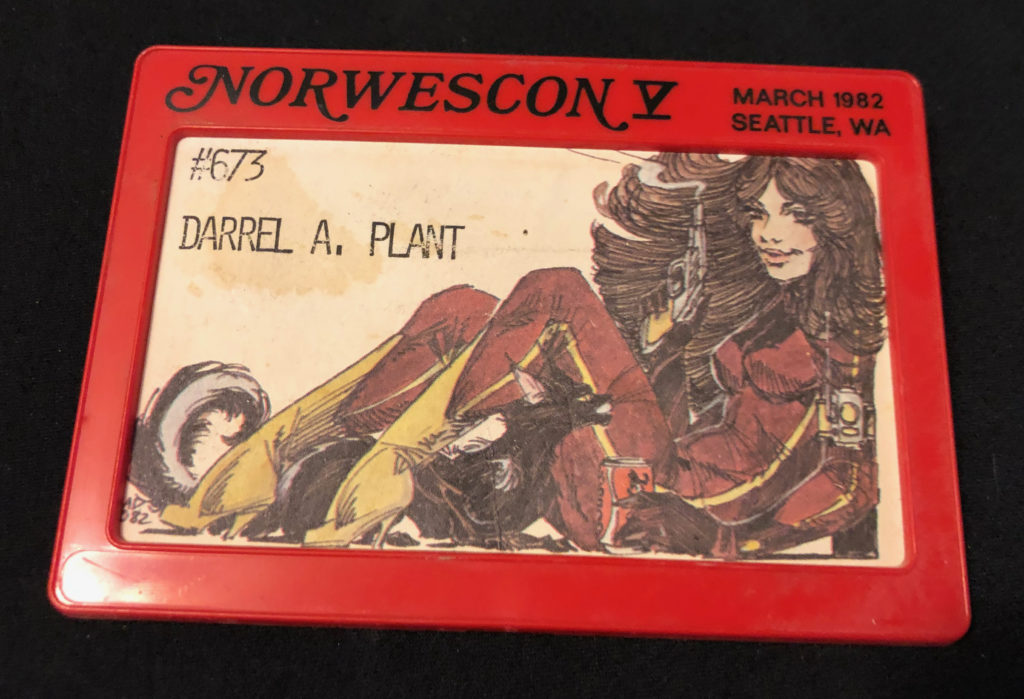
I still don’t know what possessed me to think I could organize a con in the fall of 1981 when I wasn’t even quite 20 years old. I’d only ever been to a handful of conventions — a couple of Orycons in Portland, and maybe a Norwescon in Seattle — but I’d never worked on one as a volunteer, much less done of the organizing work. I hadn’t even organized my life.

Norwescon V badge from March 1982

I remember at the time it felt like I was in the middle of a science-fiction/fantasy nexus, which was great for nerd-boy Darrel. I’d been working for a couple years already at Gandalf’s Den Fantasy Gallery, which put me in the center of the things — speculative fiction-wise — in Eugene.

Gandalf’s had opened up in the mid-70s downtown in The Atrium Building (now full of city offices) as a shop selling f&sf books and games. Its opening coincided with the initial release of Dungeons & Dragons, as well as my freshman year of high school, and I traversed downtown daily on the city bus to get to school.

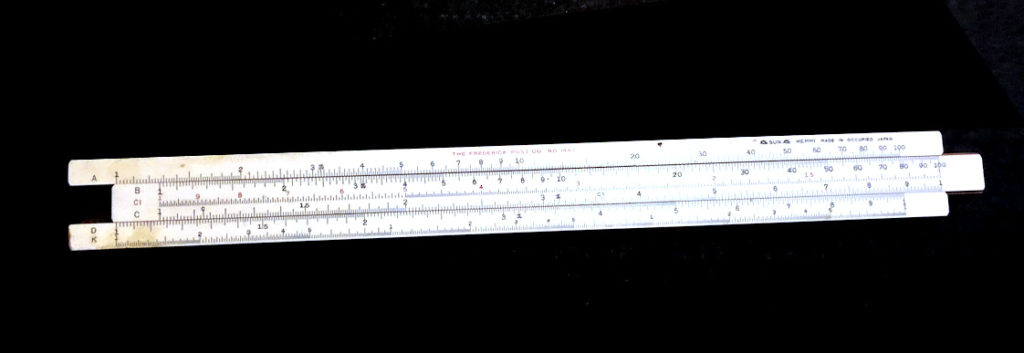
By my senior year (I turned 17 in the middle of that), I’d been hanging around so much that the owner offered me a job, so I worked there through the summer until I went to Corvallis for college, worked at the newly-opened satellite store in the Old World Center there for a couple months until they sold it out from under me, then got back in at the Eugene shop after I ran home to Eugene with my tail between my legs after six months of electrical engineering school (we still used slide rules!)

My dad’s slide rule, which I took with me to Oregon State University in 1979. It’s bamboo with white celluloid, according to its page in the Smithsonian Institution! If you squint, you can just make out “MADE IN OCCUPIED JAPAN”.

One of my friends through high school was a kid my friend Jon Pitchford introduced to our D&D group. His parents were Kate Wilhelm and Damon Knight, who — in addition to being authors and editors and involved in the Milford and Clarion writing conferences — knew everyone because they’d been in the business for so long.

There were a couple of other big names in sf&f that lived in Eugene at the time. Dean Ing was there (until he moved to Ashland), as well as the hot property of the moment, John Varley, who was just off of his a Hugo Award/Nebula Award/Locus Award triple crown1.

Because Kate and Damon and Dean and John were there, a fair amount of author traffic came through town on its way north to Seattle from California or vice versa. And they often stopped in for signings at the store. Ted Sturgeon moved to the area a few years before he died in 1985.

With that much author firepower in our little burg2, it seemed odd that there wasn’t a science fiction convention. They were all always going off to other cities’s conventions. Why not ours?

So I started laying out plans. The name was easy. If there’s one thing I’ve always been good at, it’s titles and slogans (admittedly, “Eucon” isn’t exactly rocket science level naming for a convention in Eugene). It’s the follow-through that always gets me.

Where would we hold it? Well, right in the center of downtown, the city was building a new performing arts facility (the Hult Center) and a neighboring hotel (the Eugene Hilton, now the Graduate Eugene?).

At the infamous Springfield Public Library D&D/RPG seminar when the Christians threatened to cancel me if they didn’t get to speak before I did, which did at least get me a bottle of wine as thanks from the children’s librarian (I was still under the legal drinking age) and a letter from Gary Gygax.

My mind reels at what they must have thought at the Hilton booking office when I showed up for my first meeting. The building was still under construction, and I got a tour through the ballroom convention spaces and up in the tower where the guest rooms were, but even with a beard I was at best a cheaply-dressed 20-year-old, looking to rent a good chunk of their new conference facilities for three days. I mean, I didn’t even have a car3.

And for a science-fiction convention? They were obviously desperate to get the place ramped up once it opened.

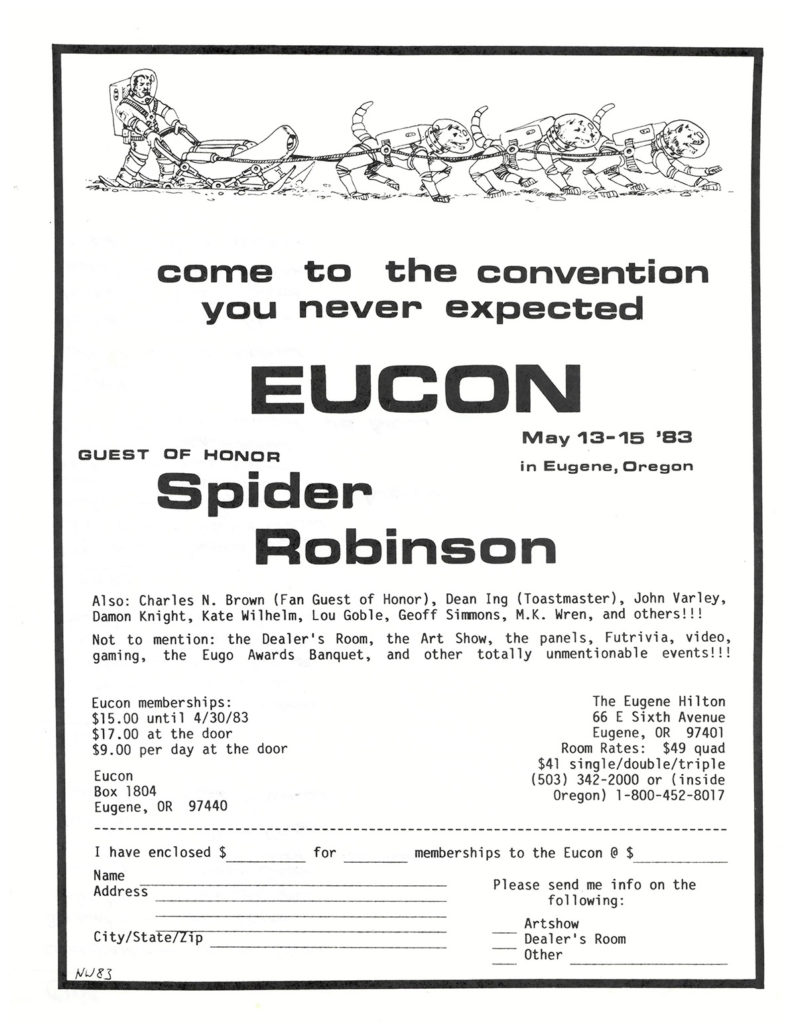
We needed someone as a headliner who’d be a draw. The local authors were already well-exposed in the Pacific Northwest. I reached for the brass ring, which was, for me, Spider Robinson, at the time well-known for a decade’s worth of stories and collection about Callahan’s Crosstime Saloon. He lived at the time in Nova Scotia, and I don’t believe he’d made any West Coast appearances at that point. So Spider was my man.

I think it was John Varley who reached out to him and got him to agree to come. After that it was a matter of getting him a ticket with money I didn’t have, and a travel agency came through with the ticket on credit. No idea how I managed to pull that off; it’s probably cheaper to fly from Halifax to Portland or Eugene now than it was then. And someone had to pick him up, I didn’t have a car.

Charles N. Brown, a co-founder of Locus magazine had been sole publisher and editor there for a decade. He was the other major out-of-town guest we had, coming up from the Bay Area. Everyone else on the flyer above came from Eugene, Salem (at least I think so, Lou Goble was a professor at Willamette University a couple years later), or the Oregon coast (M. K. Wren). I had no pull with any of these folks and no money to offer; their appearance at the convention was solely due to their commitment to fans and friendships with people like Kate and Damon.

The badge I wore on my Mountie uniform as the convention organizer. As you can see, no expense was spared for our name tags.

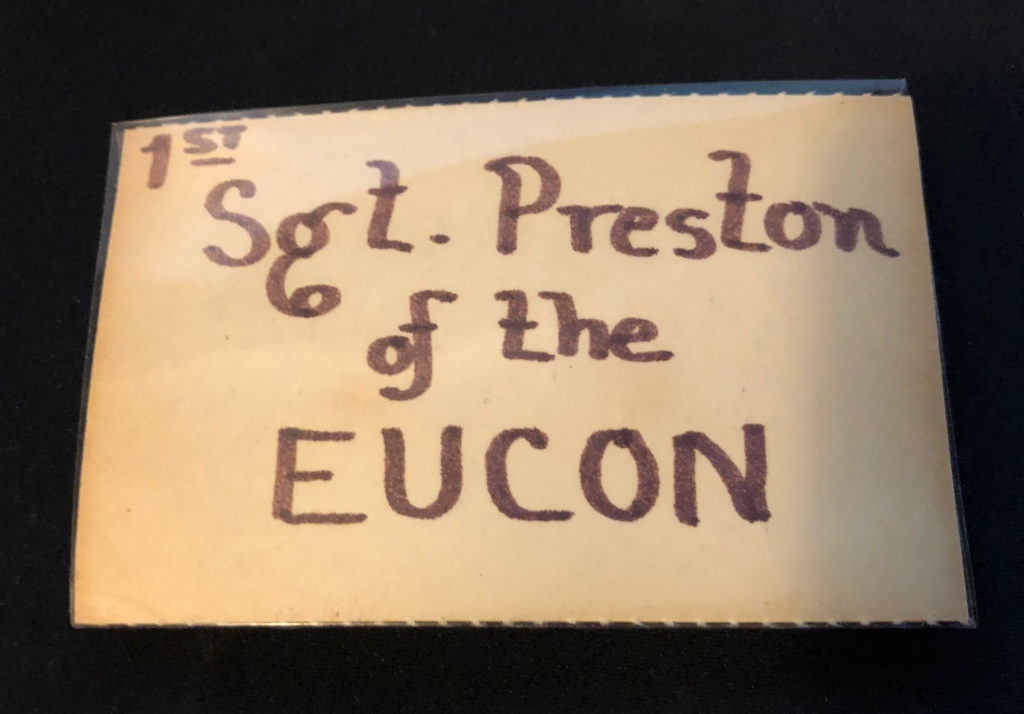
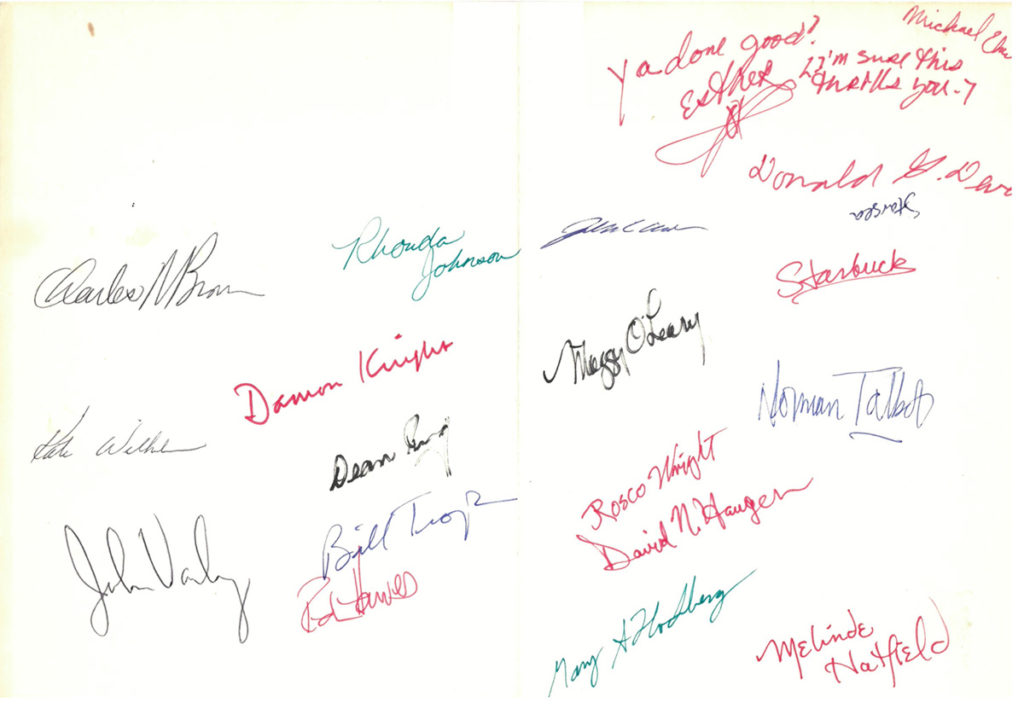
I wish I could say I had a great time running Eucon. The truth is, I really don’t remember any of it. I rented a Mountie costume (my official title was 1st Sgt. Preston of the Eucon). But apart from that I have no recollection of the three days at the Hilton. I don’t think it was a blackout situation, but somehow the entire thing is gone from my mind; I don’t even remember talking about it for years, and then it was mostly to wonder how — despite having moved into the house I still live in with all my junk just seven years later — all I’ve got left of the convention is a couple copies of the flyer the backs of which I apparently used as scratch paper, the name badge above, and a card I only found a couple of years ago that was given to me by a number of the guests and attendees at an afterparty (which I don’t remember).

Interior of a thank you card with the signatures of Charles N. Brown, Kate Wilhelm, Damon Knight, John Varley, Dean Ing, and others,

As mentioned when I wrote about finding the flyers in a folder in my garage 15 years ago, once upon a time I came across a listing for a copy of the program (which I must have produced because I did all the printed materials) with a “riddle game by Spider Robinson” in it. For $20! If you’ve got one, send me scans or photos.

1 In 1980, at the monthly party Varley hosted at his house, I met my wife Barbara Moshofsky, who I started dating in 1986.

2 These days, it might not seem that strange to some that there were a bunch of science-fiction and fantasy authors in one place, but the landscape in 1983 was a lot sparser. Sf&f movies hadn’t taken over the movie theaters yet, Graphic novels weren’t really a thing (at least not in the US). Video games were chunky blocks of color (if you were lucky) without much in the way of story. The number and range of venues was far more limited: genre magazines, genre books, far more occasional screenplays. For a small city of about 100,000 residents, 4 major genre authors was a lot.

3 This was in the days before not having a car was cool.

This day is called the feast of Crispian

I’ve had a fondness for Kenneth Branagh‘s version of Henry V ever since its relative box-office success almost exactly 30 years ago seemed to validate my undergraduate thesis (which I’d just defended the previous spring) on Shakespeare as the writer of popular entertainment, rather than highfalutin court plays (using Henry V and some analysis of the size of Elizabethan theater audiences and London’s population as my arguments). Possibly the shortest English Literature thesis on record at Reed College.

Anyway, today is St. Crispin’s Day, a day that I’ve observed a number of times in the past years, so here’s the man himself with the speech that gave us “band of brothers.”

And here is a sample of my latest Shakespeare fix, David Mitchell in his show Upstart Crow, which continues to prove my point.

The Evolution of the Digital World

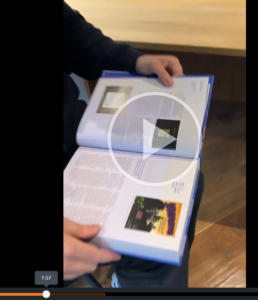
Several years back, Rob Ford of the FWA contacted me to ask some questions about my minor role in the history of online multimedia for a book he had been working on. I was both flattered and flabbergasted. Like so many labors of love, there have been a number of deadlines that came and went for the project’s release, but apparently Web Design: The Evolution of the Digital World 1990–Today (Taschen) has finally reached gestation, and Phillip Kerman caught a glimpse of my first book’s cover in Rob’s unpacking video, posted on his Amazon author page.

Flash Royalty

Going through the site and cleaning up some old links, I ran across a post I did on the tenth anniversary of the publication of Special Edition Using Macromedia Flash 5. That post was published eight years and one week ago, so the book is barely legal!

That post, in turn, referenced one from 2009, where I originally mentioned that the royalty statements I was still getting from the book only had me $700 in the hole to the publisher on my advance payment (the sales of the book never having earned enough to pay me a portion equal to what I’d received after completion—the advance—and sales after eight years having slowed somewhat).

In 2011, I’d provided the updated figure, which had been reduced by almost $50 over the intervening 28 months: -$658.70. 

You’ll be happy to know that in the statement I have before me (yes, I’m still getting monthly printed statements even after 18 years), that baby’s still earning 12¢/month from my share of electronic subscriptions, and the intervening period has seen the balance I owe reduced to $535.32. That’s $15.42/year even after a decade in print! So I should be even sometime around 2054.

I look forward to these monthly reminders of my mortality.

Once More Unto the Breach

And Crispine Crispian shall ne’re goe by,
From this day to the ending of the World,
But we in it shall be remembred;
We few, we happy few, we band of brothers:
For he to day that sheds his blood with me,
Shall be my brother: be he ne’re so vile,
This day shall gentle his Condition.
And Gentlemen in England, now a bed,
Shall thinke themselues accurst they were not here;
And hold their Manhoods cheape, whiles any speakes,
That fought with vs vpon Saint Crispines day.

    Henry V, William Shakespeare